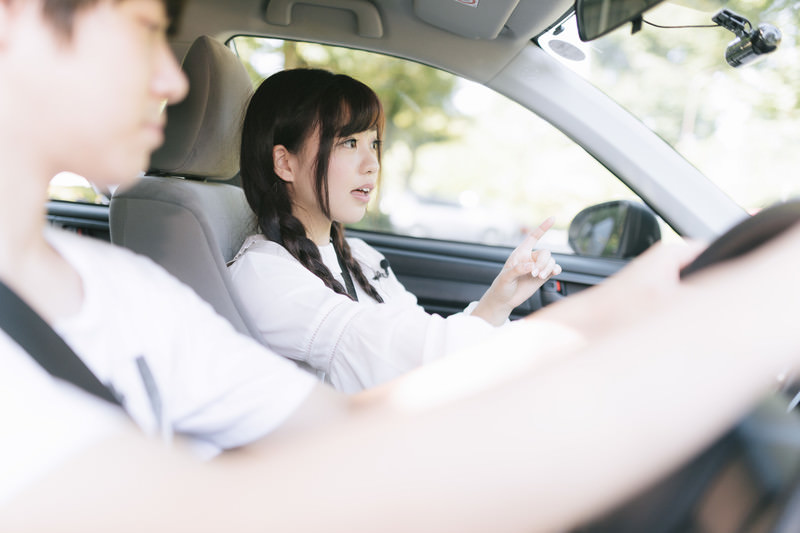
Planning a road trip with someone special? Discover how to create a memorable experience through thoughtful planning, natural conversation, attention to your partner’s comfort, and financial consideration.
- Introduction: A Road Trip Date Is About More Than Just the Destination
- 1. How Should You Choose the Route and Destination?
- 2. How Should You Balance Conversation During a Road Trip Date?
- 3. How Should You Look After Your Partner’s Physical Comfort?
- 4. How Should You Handle Money During a Road Trip Date?
- 5. How Should You Choose Music During a Road Trip?
- 6. How Should You Handle Unexpected Situations?
- 7. Overall Summary: The Secret to an Enjoyable Road Trip Date
- 8. Frequently Asked Questions About Road Trip Dates
- Q1. What should I do if my partner seems bored during a road trip date?
- Q2. What kind of route should I choose if my partner gets carsick easily?
- Q3. How should I suggest sharing the expenses of a road trip date?
- Q4. When is the best time to discuss money during a road trip date?
- Q5. What if I want to pay for all the expenses myself?
- Q6. What should I do if my partner insists on paying for everything?
- A Japanese Cultural Note: Why Small Acts of Consideration Matter
Introduction: A Road Trip Date Is About More Than Just the Destination
A road trip date can be one of the most enjoyable ways to spend time with someone you like.
Unlike a typical dinner date, you’re sharing an extended experience. You have time to talk, enjoy the scenery, discover unexpected places, and create memories together.
But here’s something worth remembering:
A great road trip date isn’t just about choosing a beautiful destination. It’s about making the journey enjoyable for both people.
There are several things to consider.
How should you choose the route? How much should you talk? What if your partner gets tired or feels carsick? And how should you handle expenses such as fuel, tolls, parking, and meals?
In Japan, romantic dating advice often places importance on kizukai (気遣い), meaning consideration and attentiveness to another person’s comfort.
It’s the kind of thoughtfulness that notices small things before they become problems.
For example, checking whether your passenger is comfortable, suggesting a restroom break before they have to ask, or choosing a route that matches their preferences.
These gestures may seem ordinary, but they can make a meaningful difference.
If the person you’re interested in is Japanese, trying some of these Japanese-inspired dating approaches could be an interesting way to make your next drive together more enjoyable.
Let’s explore how to plan a road trip date that both people will remember fondly.
1. How Should You Choose the Route and Destination?
Choosing the right route and destination is one of the first steps toward a successful road trip date.
The best plan isn’t necessarily the longest or most expensive one.
It’s the one that reflects both people’s interests and allows them to enjoy the journey comfortably.
For example, someone who loves nature might appreciate a scenic drive through the mountains, while someone who enjoys cafés might prefer visiting several charming coffee shops.
Here are five things to consider.
1-1. Find Out What Your Partner Enjoys
Start by learning what kinds of places and activities your partner likes.
You don’t have to ask directly where they want to go. Sometimes, a casual conversation can reveal plenty.
For example:
- Do they enjoy nature and beautiful scenery?
- Do they like visiting cafés?
- Are they interested in shopping or sightseeing?
- Do they enjoy visiting historical places?
- Would they prefer a quiet destination or somewhere lively?
If they enjoy nature, consider a route with mountain or lake views.
If they love cafés, you could plan a drive through an area with several interesting places to stop.
The important thing is to choose somewhere where your partner can relax and genuinely enjoy themselves.
A destination that looks impressive on social media isn’t necessarily the best choice for everyone.
Think about the person sitting beside you.
1-2. Choose a Comfortable Driving Distance
Distance matters more than many people realize.
A drive that’s too long can become exhausting, while a very short trip may leave you wishing you had more time together.
Consider your partner’s physical condition, preferences, and available time.
For a first road trip date, a relatively short drive of one or two hours can be a comfortable starting point.
You can also include breaks along the way.
There’s no need to turn a romantic date into an endurance challenge!
A relaxed schedule often creates a much better atmosphere than trying to visit as many places as possible.
1-3. Enjoy Unexpected Detours
Planning ahead is important, but some of the best moments happen when you discover something unexpected.
Perhaps you notice a beautiful view, an interesting little shop, or a café that wasn’t included in your original plan.
Why not ask:
“That place looks interesting. Would you like to stop for a while?”
An unexpected detour can become one of the most memorable parts of the date.
However, spontaneous stops should be enjoyable for both people.
If your partner is tired or would rather continue toward the destination, respect their preference.
Flexibility is wonderful when both people are comfortable with it.
1-4. Choose a Route That Matches the Season and Time of Day
The atmosphere of a road trip can change dramatically depending on the season and time.
Consider choosing a route that takes advantage of the scenery.
For example:
Spring: Enjoy a drive through roads lined with cherry blossoms.
Summer: Visit a coastal area or a scenic destination with refreshing views.
Autumn: Explore mountain roads surrounded by colorful autumn leaves.
Winter: Enjoy beautiful winter scenery or visit a cozy café in a quiet town.
The time of day matters, too.
An evening drive toward a scenic viewpoint can create a romantic atmosphere, especially when city lights begin to appear.
In Japan, seasonal scenery is often appreciated as part of everyday enjoyment.
Planning a date around cherry blossoms or autumn foliage can make an ordinary drive feel like a special occasion.
1-5. Research the Route Before You Leave
A little preparation can prevent unnecessary stress.
Before the date, check:
- The route and estimated driving time
- Areas that are likely to experience traffic congestion
- Convenient parking locations
- Rest stops and service areas
- Restaurants and cafés along the way
- Alternative routes in case of unexpected delays
It’s also worth checking whether your destination has suitable facilities and whether reservations are necessary.
Being prepared doesn’t mean every minute needs to be scheduled.
It simply means you can spend more time enjoying the date and less time worrying about practical problems.
One additional consideration: if the date might continue late into the evening, think about how both people will get home safely.
An overnight stay should never be assumed. Discuss it openly and respect each person’s wishes.
A Little Japanese Dating Perspective
In Japan, planning a date with the other person’s preferences in mind is sometimes regarded as an expression of omoiyari (思いやり), or thoughtful consideration.
Rather than choosing everything according to your own preferences, you try to imagine what would make the other person comfortable and happy.
This doesn’t mean one person must do all the planning.
A good date is something two people create together.
The destination matters, but the thought behind choosing it matters just as much.
2. How Should You Balance Conversation During a Road Trip Date?
Conversation is one of the most important parts of a road trip date.
Spending time together in a car provides opportunities to learn more about each other.
However, talking constantly isn’t necessary.
The goal is to create a comfortable atmosphere where both people can enjoy the conversation without feeling pressured.
Here are five useful tips.
2-1. Show Genuine Interest in Your Partner
One of the easiest ways to create an enjoyable conversation is to show genuine interest in the other person.
Ask about things they enjoy or topics they’ve recently become interested in.
For example:
“Have you been into anything interesting lately?”
“How was that place you visited last time?”
“Is there somewhere you’ve always wanted to go?”
Questions like these can naturally lead to longer conversations.
Try to listen carefully and follow up on things your partner mentions.
For example, if they talk about a hobby, ask what they enjoy most about it.
The goal isn’t to ask as many questions as possible.
It’s to make the conversation feel natural and enjoyable.
2-2. Respond Naturally
When your partner is talking, respond in a way that shows you’re listening.
You might say:
“That makes sense!”
“Really? That sounds interesting!”
“I’ve never thought about it that way!”
Natural reactions help the other person feel comfortable continuing the conversation.
However, exaggerated reactions can sometimes feel unnatural.
You don’t need to react enthusiastically to every sentence.
Pay attention to your partner’s conversational style and match their pace.
A relaxed exchange is often more enjoyable than an overly energetic conversation.
2-3. Don’t Be Afraid of Silence
This is an especially important point.
You don’t have to keep talking throughout the entire drive.
Sometimes, silence can be comfortable.
You might enjoy the scenery together, listen to music, or simply relax for a while.
Being able to share a quiet moment without feeling awkward can be a positive sign that both people are comfortable.
If the silence starts to feel a little uncomfortable, you can make a light comment:
“The scenery is beautiful today, isn’t it?”
That simple observation can naturally restart the conversation.
In Japanese relationship discussions, there’s sometimes an appreciation for comfortable silence rather than forcing constant conversation.
However, don’t assume that every quiet person enjoys silence.
Pay attention to the individual.
2-4. Match Your Partner’s Pace
People have different conversational styles.
Some enjoy talking continuously, while others prefer listening or spending time quietly.
If your partner is enthusiastic about a particular topic, give them space to talk.
On the other hand, if they seem tired or less interested in conversation, don’t force them to keep talking.
Pay attention to their expressions and reactions.
You may need to change the subject, lower the intensity of the conversation, or simply enjoy the drive.
Being considerate means recognizing when conversation is welcome and when a little quiet time would be better.
2-5. Choose Enjoyable Topics
During a road trip date, try introducing topics that both people can enjoy.
For example:
- Funny experiences from everyday life
- Favorite movies and music
- Places you’d like to visit
- Shared hobbies
- Interesting food and restaurants
- Childhood memories
- Future travel plans
If your partner seems tired, choose lighter topics or let the music provide a relaxing atmosphere.
Avoid turning the drive into an intense interview or a series of difficult questions.
A good conversation should feel enjoyable for both people.
A Little Japanese Dating Perspective
One interesting aspect of Japanese communication is the use of aizuchi (相槌).
These are small verbal responses such as “un” (うん), “sou nan da” (そうなんだ), and “naruhodo” (なるほど).
They show that the listener is following the conversation and encourage the speaker to continue.
If you’re interested in someone Japanese, learning to respond naturally rather than interrupting or immediately changing the subject can be a useful communication skill.
Of course, conversational preferences differ from person to person.
The most important thing is to pay attention to the person in front of you.
3. How Should You Look After Your Partner’s Physical Comfort?
A road trip date should be enjoyable, but spending a long time inside a car can sometimes cause fatigue or discomfort.
Your partner might feel carsick, become uncomfortable because of the temperature, or simply need a break.
Paying attention to these things is an important part of making the experience pleasant.
Here are five practical approaches.
3-1. Check How Your Partner Is Feeling Before the Drive
Before setting off, casually ask how your partner is feeling.
For example:
“How are you feeling today?”
“Are you comfortable with the distance we’re driving?”
“Do you ever get carsick?”
These questions may seem simple, but they show that you’re considering their comfort.
If your partner is prone to motion sickness, it’s worth discussing this beforehand.
They may already have a preferred remedy or know which types of roads make them uncomfortable.
Being prepared can prevent an otherwise enjoyable date from becoming unpleasant.
3-2. Take Regular Breaks
Long drives can be tiring, even when the destination is exciting.
If your partner appears uncomfortable or tired, suggest taking a break.
You could say:
“Would you like to stop for a little while?”
“There’s a nice café nearby. Shall we take a break?”
A short walk or some gentle stretching can help both people feel refreshed.
And there’s one particularly important point:
Restroom breaks should never be treated as an inconvenience.
Some people feel uncomfortable asking to stop, especially when they’re worried about interrupting the driver or changing the schedule.
This can be particularly difficult for someone who finds it hard to express personal needs.
Rather than waiting for your passenger to ask, make restroom stops a normal part of the journey.
For example:
“There’s a service area coming up. Shall we stop for a few minutes?”
This gives the other person an easy opportunity to take a break without having to explain themselves.
It’s a small gesture, but it can make a big difference.
3-3. Pay Attention to the Temperature and Ventilation
The temperature inside the car can affect how comfortable your partner feels.
An air-conditioning setting that’s perfect for the driver may be too cold or too warm for the passenger.
Check occasionally:
“Are you too hot?”
“Is the temperature okay?”
“Would you like some fresh air?”
Adjust the air conditioning when necessary.
It’s also helpful to ventilate the car occasionally, especially during a long journey.
Don’t assume that because you’re comfortable, the other person must be comfortable too.
3-4. Take Motion Sickness Seriously
If your partner is prone to motion sickness, plan the route accordingly.
For example:
- Avoid unnecessarily winding roads.
- Choose smoother routes when possible.
- Avoid sudden acceleration and braking.
- Allow enough time for breaks.
- Make sure your partner has access to fresh air.
If your partner normally uses motion sickness medication, they may want to prepare it before leaving.
If they begin feeling sick during the journey, stop somewhere safe as soon as practical.
Don’t insist on continuing just because you’ve already planned the route.
Your partner’s well-being is more important than sticking to the schedule.
3-5. Avoid an Overly Tight Schedule
A road trip date should leave room for relaxation.
Planning too many destinations can make the day exhausting.
Instead, allow extra time between activities.
For example, if you plan to visit three places, consider whether two might be enough.
You can always add another stop if both people feel energetic.
Having flexibility makes it easier to respond to unexpected situations.
The objective isn’t to complete an itinerary.
It’s to enjoy spending time together.
A Particularly Important Point About Restroom Breaks
I want to emphasize this because it can easily be overlooked.
Some women find it difficult to tell someone that they need to use the restroom.
They may feel embarrassed, worry about causing inconvenience, or hesitate because the driver seems focused on reaching the destination.
This is why proactively suggesting breaks can be a thoughtful gesture.
You don’t need to make a big deal out of it.
Simply treating restroom stops as a normal part of the journey can help your passenger feel more comfortable.
Good consideration isn’t always about doing something impressive. Sometimes, it’s about noticing something the other person may find difficult to say.
4. How Should You Handle Money During a Road Trip Date?
Financial consideration is another important part of a comfortable road trip date.
There may be several expenses to think about:
- Fuel
- Highway tolls
- Parking
- Meals
- Drinks
- Admission fees
- Other activities
Discussing expenses beforehand can prevent misunderstandings and help both people enjoy the date without unnecessary pressure.
Here are four useful points.
4-1. Discuss How You’ll Share the Costs in Advance
Before leaving, it’s helpful to have a general idea of how expenses will be handled.
For example:
“Would you like to split the expenses this time?”
“I’ll cover the driving costs today.”
“How about we take turns paying for things?”
A casual conversation beforehand can prevent awkward situations later.
The important thing is to make the suggestion naturally and leave room for the other person’s preference.
There isn’t one correct way to divide expenses.
What matters is that both people feel comfortable with the arrangement.
4-2. Consider Who Pays for Meals and Drinks
During the drive, you may stop for lunch, coffee, snacks, or drinks.
Think about how you’ll handle these smaller expenses.
For example:
“I’ll get this one.”
“Would you like to get the next one?”
“Shall we split the bill?”
Taking turns can be a simple way to share expenses without making every payment feel like a negotiation.
If one person pays for a meal, the other might offer to buy drinks or dessert later.
Small gestures of reciprocity can make the experience feel more balanced.
4-3. Be Considerate About Fuel Costs
Fuel expenses can become significant during longer road trips.
If you’re the one driving, you might tell your partner:
“Don’t worry about the fuel today.”
This can help them relax if they’re concerned about the cost.
On the other hand, if your partner is driving, offering to contribute toward fuel expenses can be a thoughtful gesture.
You could say:
“Would you mind if I contributed to the fuel?”
The point isn’t necessarily to calculate every kilometer.
It’s to recognize that driving requires time, effort, and money.
4-4. Express Your Appreciation
If your partner pays for most of the expenses, make sure to express your appreciation.
A simple thank-you is important.
You might also suggest covering something during the next date.
For example:
“Thank you for treating me today. I’d love to take care of the next one.”
Even if your partner willingly pays, acknowledging their effort shows that you don’t take their generosity for granted.
However, don’t feel obligated to spend more than you can afford.
A thoughtful gesture doesn’t need to be expensive.
A Japanese Dating Perspective on Money
In Japan, expectations about paying for dates vary considerably.
Some couples prefer splitting expenses, some take turns paying, and others have different arrangements depending on the situation.
There is no single rule that applies to everyone.
However, expressing gratitude and avoiding unnecessary financial pressure are often appreciated.
If your romantic interest is Japanese, discussing expenses casually before the date can be a useful way to avoid misunderstandings.
Rather than assuming that one person should pay for everything, find an arrangement that feels comfortable for both of you.
5. How Should You Choose Music During a Road Trip?
Music can have a surprisingly strong influence on the atmosphere of a road trip date.
The right playlist can make a long drive feel relaxing, exciting, or romantic.
It can also create natural opportunities for conversation.
Before the date, consider finding out what kind of music your partner enjoys.
You could prepare a playlist featuring some of their favorite songs.
Alternatively, create a playlist that includes music you both enjoy.
Sharing songs can also become a conversation starter.
For example:
“Have you heard this song before?”
“This is one of my favorite artists.”
“What kind of music do you usually listen to when driving?”
You might even discover a new artist through your partner.
One thing to remember is that not everyone enjoys the same volume or musical style.
Some people prefer energetic music, while others enjoy something quiet and relaxing.
Pay attention to their preferences and adjust accordingly.
And if your partner would rather enjoy the scenery without music, that’s perfectly fine too.
The purpose of music is to improve the experience, not dominate it.
6. How Should You Handle Unexpected Situations?
Even a carefully planned road trip can involve unexpected events.
Traffic congestion, road closures, sudden weather changes, or an unplanned detour can disrupt your schedule.
But these moments don’t necessarily have to ruin the date.
Sometimes, they can become memorable parts of the experience.
The key is to remain flexible.
For example:
- If traffic becomes heavy, consider an alternative route.
- If the weather changes, look for an indoor destination.
- If you discover an interesting place, ask whether your partner would like to stop.
- If someone becomes tired, adjust the schedule.
- If the original destination becomes impractical, choose another option together.
Avoid becoming frustrated simply because things aren’t going according to plan.
Your partner may feel uncomfortable if they sense that the entire date depends on everything going perfectly.
A relaxed attitude can help both people enjoy the experience.
What If the Date Continues Late Into the Evening?
Sometimes, an unexpected delay or an enjoyable series of detours can make the day longer than planned.
If it becomes late, consider how both people will get home safely.
You might need to change the return route, arrange transportation, or discuss other practical options.
An overnight stay may be one possibility, but never assume that your partner wants this.
Discuss it clearly and respect their decision.
A romantic atmosphere should never replace clear communication or mutual consent.
The best date is one where both people feel safe, comfortable, and respected.
7. Overall Summary: The Secret to an Enjoyable Road Trip Date
A road trip date is a wonderful opportunity to spend quality time together.
However, a successful experience requires more than simply choosing an attractive destination.
Let’s review the most important points.
1. Choose a route that reflects your partner’s interests.
Think about the places and activities they enjoy.
2. Keep the driving distance comfortable.
Avoid unnecessarily long journeys, especially when you’re planning an early date.
3. Enjoy spontaneous discoveries.
Unexpected stops can become wonderful memories when both people are happy to explore.
4. Balance conversation and silence.
Show genuine interest, but don’t force conversation when a quiet moment would be more comfortable.
5. Pay attention to physical comfort.
Consider fatigue, temperature, ventilation, motion sickness, and restroom breaks.
6. Discuss expenses naturally.
Consider fuel, tolls, parking, meals, and other costs before misunderstandings arise.
7. Choose music together.
A playlist that reflects both people’s preferences can improve the atmosphere.
8. Stay flexible when plans change.
Unexpected events are easier to handle when both people communicate and cooperate.
Above all, remember that consideration for your partner is what brings these details together.
When both people feel comfortable and appreciated, even a simple drive can become a wonderful shared experience.
We hope these tips help you create a memorable road trip date!
8. Frequently Asked Questions About Road Trip Dates
Q1. What should I do if my partner seems bored during a road trip date?
If your partner seems bored, consider stopping somewhere with an attractive view or introducing a lighthearted conversation topic.
You could also ask whether they’d like to listen to something different.
Changing the music or taking a short break can help refresh the atmosphere.
However, don’t assume that a quiet passenger is necessarily bored.
They may simply be enjoying the scenery or relaxing.
If you’re unsure, ask casually whether they’re comfortable.
Q2. What kind of route should I choose if my partner gets carsick easily?
Whenever possible, choose smoother roads with fewer sharp turns.
Avoid unnecessarily winding routes and sudden acceleration or braking.
Include regular breaks so your partner has opportunities to relax and get some fresh air.
If they normally use motion sickness medication, they may want to prepare it before the journey.
If they begin feeling unwell, stop somewhere safe rather than insisting on continuing.
Q3. How should I suggest sharing the expenses of a road trip date?
You can bring it up naturally before leaving.
For example:
“Would you like to split the expenses this time?”
Or:
“How about I cover the fuel and you get lunch?”
Another option is taking turns paying for different things.
The important thing is to choose an arrangement that feels fair and comfortable for both people.
Q4. When is the best time to discuss money during a road trip date?
Ideally, discuss expenses before the date begins.
You can bring it up naturally while talking about the destination or itinerary.
For example:
“How should we handle the costs for this trip?”
A little communication beforehand can prevent awkward conversations later.
Q5. What if I want to pay for all the expenses myself?
Wanting to treat someone is a kind gesture.
However, some people may feel uncomfortable if one person insists on paying for everything.
Others may genuinely enjoy being treated.
It depends on the individual and the relationship.
If you want to cover the costs, communicate your intentions without making the other person feel obligated.
You could also suggest that they choose or pay for something small if they prefer.
Q6. What should I do if my partner insists on paying for everything?
First, express your appreciation.
You might say:
“Thank you. I really appreciate it.”
If you feel comfortable, suggest covering the next date or paying for something during the trip.
For example:
“Then let me take care of the next one!”
You don’t need to turn the situation into an argument.
A sincere expression of gratitude and a thoughtful gesture later can help maintain a comfortable balance.
A Japanese Cultural Note: Why Small Acts of Consideration Matter
This article introduces a Japanese perspective on making road trip dates more enjoyable.
In Japan, the idea of kizukai (気遣い), or attentiveness to another person’s comfort, and omoiyari (思いやり), or thoughtful consideration for others, are often valued in everyday interactions.
These ideas can be seen in small actions:
- Suggesting a restroom break before someone has to ask.
- Checking whether the passenger is too hot or cold.
- Remembering someone’s favorite music.
- Adjusting the schedule when someone becomes tired.
- Expressing gratitude when someone pays for something.
- Allowing comfortable silence instead of forcing conversation.
These gestures aren’t exclusive to Japan, and Japanese couples don’t all follow the same dating customs.
However, they offer an interesting glimpse into a style of romantic consideration that is familiar in Japanese social culture.
If you’re interested in someone Japanese, why not try incorporating some of these ideas into your next date?
You don’t need to make a grand gesture.
Sometimes, simply noticing what would make the other person more comfortable is enough.
A wonderful road trip isn’t measured by how many places you visit. It’s measured by how good both people feel during the journey.
The destination may be beautiful, but the memories you create together are what make the trip special.
Enjoy the drive, take your time, and make room for little moments of happiness. ❤️
ドライブデートをもっと楽しむための秘訣!会話のバランスと相手の体調管理、金銭面での気遣い方法を詳しく紹介

コメント